Why is diagnosis delayed?
Treatment options
Pain is not inevitable
Management of endometriosis
Endometriosis is the development of uterine-lining-like tissue in other locations, such as the ovaries and fallopian tubes. Women of any age can develop endometriosis. It is a long-term condition that can have a significant impact on their lives. The causes of endometriosis are still a mystery. According to one idea, portions of the endometrium go backward down the fallopian tubes and into the pelvis during menstruation, where they adhere and develop. One in ten females has endometriosis. If your mother or sister has endometriosis, you are more likely to get it because it appears to run in certain families.
What are the symptoms of migratory endometrium? Although many women with endometriosis have no symptoms or problems, this is not always the case. Many women suffer from annoying symptoms. Symptoms of endometriosis include: • Menstrual pain. • Pain during sexual intercourse. • Pelvic pain that occurs other than the menstrual cycle. • Back pain during menstruation. • Pain when defecating or urinating during menstruation. • Bloating. • Fatigue and tiredness. • Difficulty getting pregnant.
There are other possible reasons for each of these symptoms, and sometimes there may be more than one cause. Menstrual pain may occur without an apparent cause, as in primary dysmenorrhea. Other conditions have overlapping symptoms, such as irritable bowel syndrome, chronic fatigue syndrome, and pelvic floor muscle tension.
What is the effect of endometriosis on fertility? Endometriosis impairs the ability of a woman to conceive, as the scar tissue it produces can obstruct the fallopian tubes. In addition, endometriosis results in the following issues: • Producing eggs that are less likely to be fertilized. • Production of natural toxins against sperm. • Reduction of sexual intercourse rate if sexual pain is a symptom of endometriosis.
How is endometriosis diagnosed? 1- A discussion of your symptoms and a physical examination provide enough information to determine whether you have endometriosis. 2- Dr. Ahmed Marzouk recommends an ultrasound examination to diagnose moderate or severe cases of endometriosis. The ultrasound scan can identify endometriosis cysts on the ovaries, endometrial nodules in the pelvis, including the intestines, and sometimes scar tissue associated with endometriosis. However, ultrasound procedures are typically incapable of detecting minor endometriosis. 3- A definitive diagnosis depends on the laparoscopic procedure, where small incisions are made in the abdomen, and a small camera is used to examine the pelvic organs, including the uterus, fallopian tubes, and ovaries. If endometriosis is suspected, the abnormal tissue is removed and sent for examination under a microscope to confirm the presence of endometrial tissue. Depending on the location of endometriosis, it may be removed or treated. Dr. Ahmed Marzouk, consultant in obstetrics and gynecology, will determine the best course of treatment for you based on the severity of your symptoms.
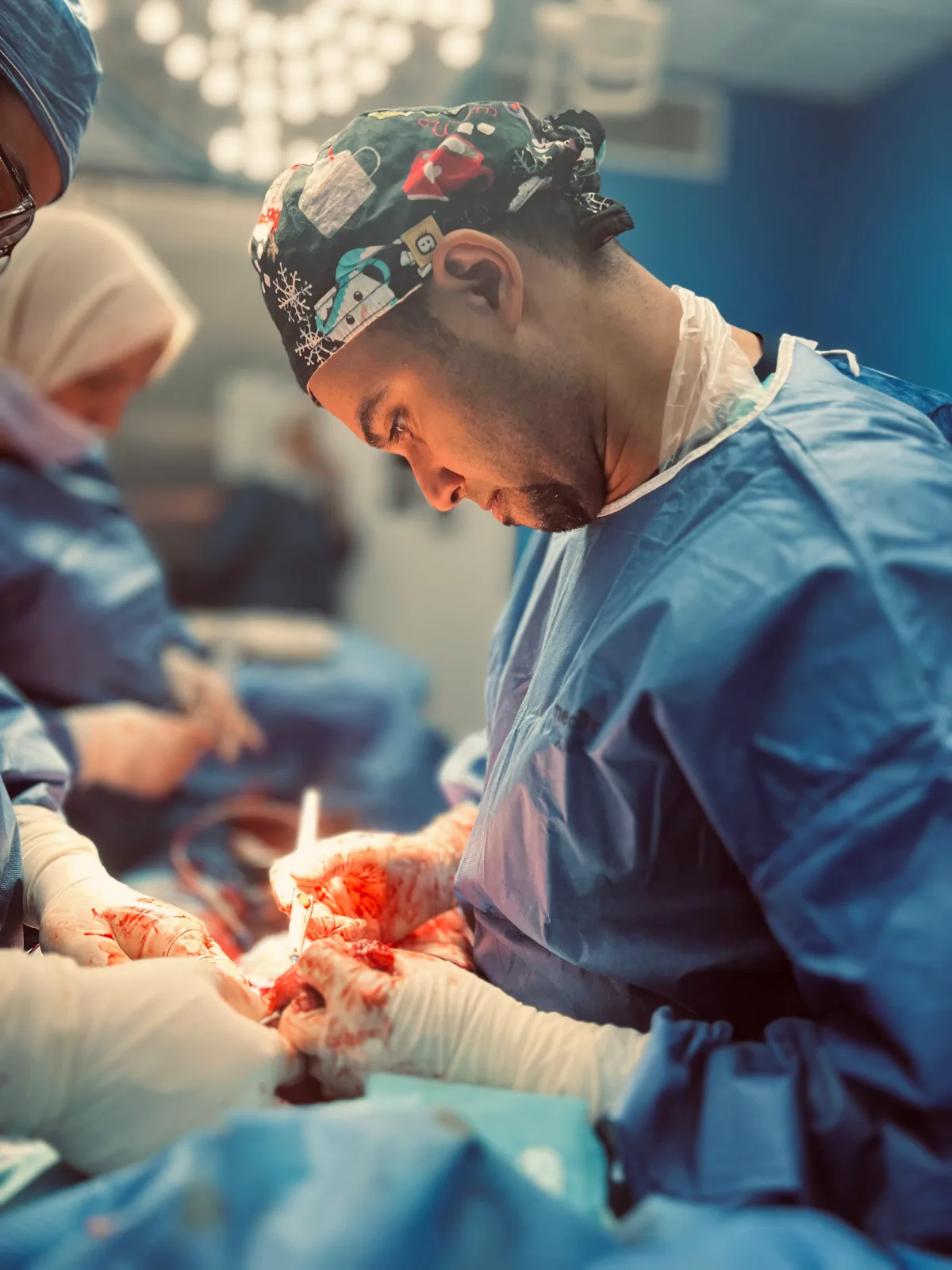
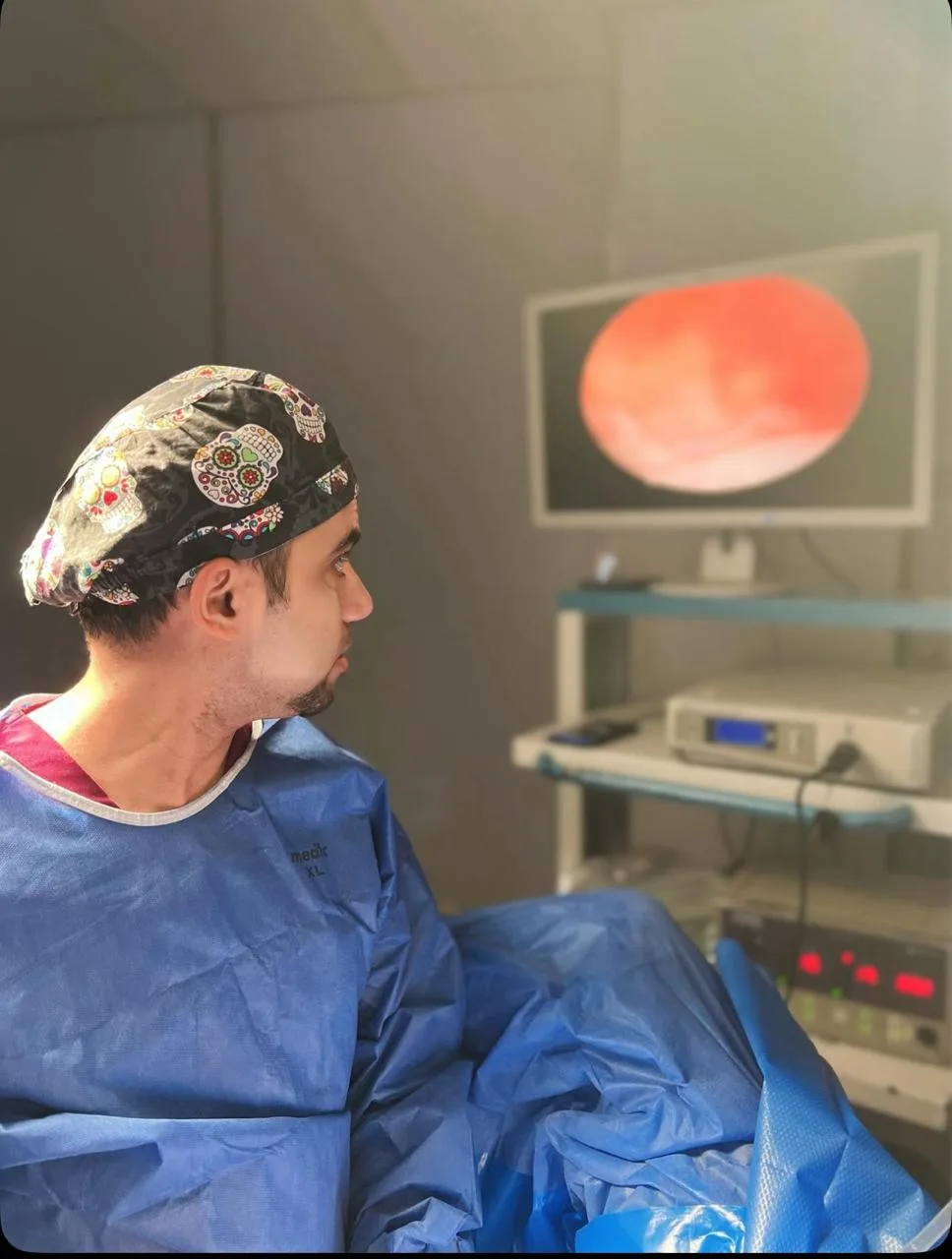
Laparoscopy for the diagnosis and management of endometriosis: As previously mentioned, laparoscopic surgery may aid in the diagnosis of endometriosis, especially in cases of simple endometriosis where ultrasound examinations may not be comprehensive. Laparoscopic treatment also improves pain symptoms associated with endometriosis and may be offered in addition to hormonal therapies. Surgical management of endometriosis involves laparoscopy. A small camera is inserted into the abdomen to identify endometriosis, and other tools are used for treatment. Treatment involves either removing the endometrial tissue, destroying the endometrial cells using heat, or a combination of both methods. Laparoscopy in the treatment of endometriosis is characterized by the small size of the incisions required. This is in addition to the role of laparoscopy in confirming the diagnosis, excluding some other conditions that may contribute to the emergence of the same symptoms, and conducting treatment at the same time. If endometriosis is discovered during laparoscopy, a sample is usually taken for microscopic analysis, as previously stated. This will confirm the diagnosis.
Steps for laparoscopic Endometriosis:
• Tissue removal. • Tissue destruction by heat.
- Laparoscopy is performed under general anesthesia in most cases; so the patient does not feel any pain.
- During laparoscopy, the surgeon will make a small incision in the abdomen, usually below the navel, to insert a tube to bring in carbon dioxide gas that inflates the abdomen; this helps the surgeon see the inside of the abdomen more clearly.
- The surgeon inserts the laparoscope through the navel or an opening under it.
- The small camera at the top of the laparoscope allows the view of the internal organs on a monitor. The surgeon may make additional incisions to get a better view.
- When endometriosis or scar tissue is found, your surgeon will likely use one of several techniques to treat it. These include:
- Once the procedure is completed, the surgeon will close the incision with several cosmetic stitches.
Who should undergo laparoscopy? Dr. Ahmed Marzouk, a consultant obstetrics and gynecology surgeon, might suggest a laparoscopy if a patient has any of the following symptoms: • Complaining regularly of severe abdominal pain, which is believed to be caused by endometriosis. • The persistence of endometriosis symptoms or their reappearance after hormonal therapy. • Endometriosis is thought to affect other organs, such as the bladder or intestines. • Endometriosis is suspected of causing infertility. • An abnormal ovarian mass.
The results of endometriosis treatment with laparoscope: According to studies, 70% of women will exhibit no signs of endometriosis recurrence 5 years following surgery. However, not all cases of endometriosis can be treated with a laparoscope. Hormonal therapy, a less invasive way of treatment, may be suggested first. Endometriosis affecting the bowel or bladder may require more extensive surgery.
Dr. Ahmed Marzouk’s advice to facilitate the recovery process after endometriosis treatment with laparoscope: • Get adequate rest. • Consume a balanced diet and get enough fluids. • Walking or performing other simple actions to assist in the expelling of the excess gas. • Take care of the incision by keeping it clean and away from direct sunlight. • Giving the body the time it needs to heal.
Dr. Ahmed Marzouk chooses the best endometriosis treatment strategy depending on its location and degree. Do not hesitate to eliminate its symptoms with the best gynecological surgeon in Egypt.