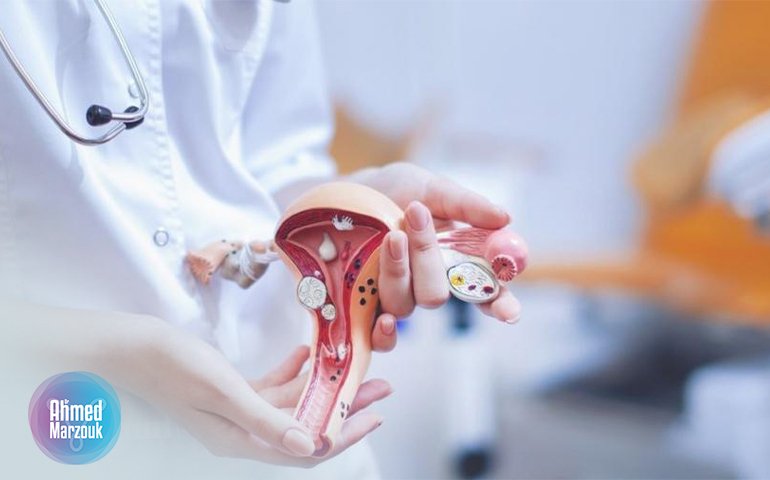
The uterine septum is a thin layer of tissue located between the vagina and the uterus. It extends along the length of the uterus and divides it into two halves as a result of a congenital defect during formation. The uterine septum is among the topics that interest many people, so what problems can affect it? And when does pregnancy occur after removal of the uterine septum?
Symptoms that, when they appear, indicate you have a uterine septum
There are some symptoms that may indicate the presence of a uterine septum dividing the uterus into two halves, among these symptoms: 1. Abnormal bleeding: some people may experience abnormal bleeding after intercourse or after a medical cervical examination, so if you suffer from abnormal or persistent bleeding, there may be a tear or a problem in your uterine septum. 2. Pain during intercourse: you may feel pain or tension in the pelvic area during intercourse, and this may be a sign of problems with the uterine septum. 3. Recurrent infections in the vagina or uterus: if you suffer from recurrent infections in the vagina or uterus, the uterine septum may be the cause. 4. Recurrent miscarriages: the uterine septum may play a role in cases of recurrent miscarriages, if there is a weakness in the uterine septum or in the case of malformations in it.
Are there causes for the uterine septum problem?
There can be several causes for the appearance of a uterine septum, including: 1. Congenital malformations: the uterine septum may be underdeveloped or malformed from birth, and these congenital malformations may be the result of a defect in embryonic development. 2. Pelvic infections: some chronic pelvic inflammations or bacterial infections may lead to the formation of scars or fibrosis in the uterine area, causing a uterine septum.
Therefore, the specialist doctor must assess each patient's condition individually to determine the possible causes of the appearance of the uterine septum and provide the appropriate treatment for her.
Is there a treatment for the uterine septum problem?
Yes, there is a treatment for the uterine septum problem depending on the cause and severity of the problem, including the following: 1. Surgical operations: in some cases, treatment of the uterine septum may require a surgical operation through which the deformed parts of the septum that prevent pregnancy are removed. 2. Hormonal therapy: hormonal therapy can be used in some cases to treat the uterine septum problem. 3. Vaginal dilation techniques: vaginal dilation techniques can be used to help resolve the uterine septum problem.
The uterine septum operation
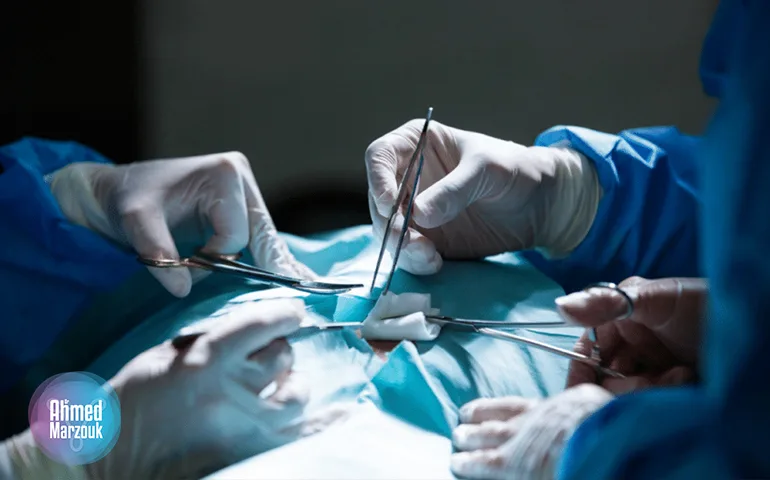
It is a surgical procedure in which the uterine septum is removed or corrected when it is causing a health problem or hindering pregnancy. The uterine septum operation may include the following steps: 1. The doctor conducts a comprehensive assessment of your health condition, reviewing the complete medical history and performing some specialized medical examinations, such as a pelvic exam, ultrasound imaging, and magnetic resonance imaging (MRI), to determine the size and shape of the uterine septum and to find out whether there are any accompanying problems. 2. An appointment for the operation is arranged after explaining the necessary instructions for preparing for it, such as fasting before surgery and instructions regarding medications and other required preparations. 3. The operation is performed under general anesthesia and usually takes from one to two hours, during which the uterine septum is reached through the vaginal route (hysteroscopy) or through the abdomen, then the deformed or damaged parts of the uterine septum are removed and the uterus is reconstructed again. 4. After the operation the patient is transferred to the recovery room where she is monitored for a short period, and she will also be informed of some rest and care instructions needed after the operation so that she passes through a recovery period in complete safety.
When does pregnancy occur after removal of the uterine septum?
Pregnancy is possible after removal of the uterine septum and can occur at any time after the operation. However, the time the body takes to regain its ability to heal differs from one woman to another, and many couples may require some time for pregnancy to occur after removal of the uterine septum, while others may conceive in the first months right after the operation.
In general, when the uterine septum removal operation is resorted to, couples must follow the medical directions provided by Dr. Ahmed Marzouk, and it is usually advised to wait for some time before trying to conceive, in order to allow the body to heal completely after the operation.
Every woman is different from another, and the exact timing of pregnancy after removal of the uterine septum depends on many factors, such as the health of the couple and their fertility rate, among other factors. Therefore, if you wish to become pregnant after undergoing a uterine septum removal operation, it is important to talk to your treating doctor to obtain specific information and guidance for your personal condition and to determine whether the presence of the uterine septum will affect your chances of pregnancy or not.