Is treating a uterine fibroid easy, and how is it done? These are the foremost questions on the mind of anyone diagnosed with uterine fibroids, along with the risks of removing them. In this article we will learn together about uterine fibroid treatment and the chances of pregnancy after removal, alongside some of the other matters that may cross your mind about uterine fibroids.
Pregnancy rate after fibroid removal
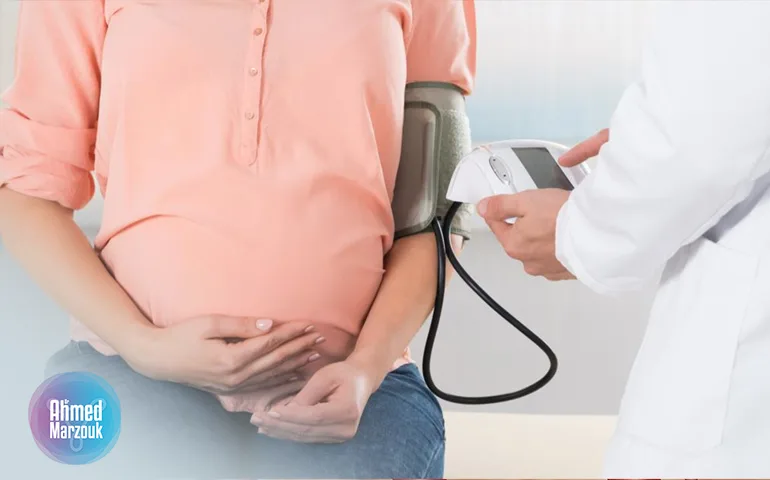
The pregnancy rate after fibroid removal depends on several factors, including the size of the tumor, the shape and location of the uterine fibroid, the surgical method used, and the woman's general health. In many cases a woman can conceive naturally after fibroid removal. However, the following factors, which directly influence pregnancy, must be taken into account: 1. The location and size of the fibroid: if the fibroid is large or close to the uterine lining or the placenta, this may affect the ability to conceive and to maintain the pregnancy if it occurs. 2. The condition of the uterus: sometimes removing the fibroid may require surgical procedures that affect the structure of the uterus itself. This may affect the uterus's ability to maintain a pregnancy. 3. A previous pregnancy: if you have a history of a failed pregnancy, this will affect the ability to conceive after the operation. 4. Your general health: a woman's overall health plays a role in her ability to conceive and to carry a pregnancy to term successfully.
Fibroid treatment
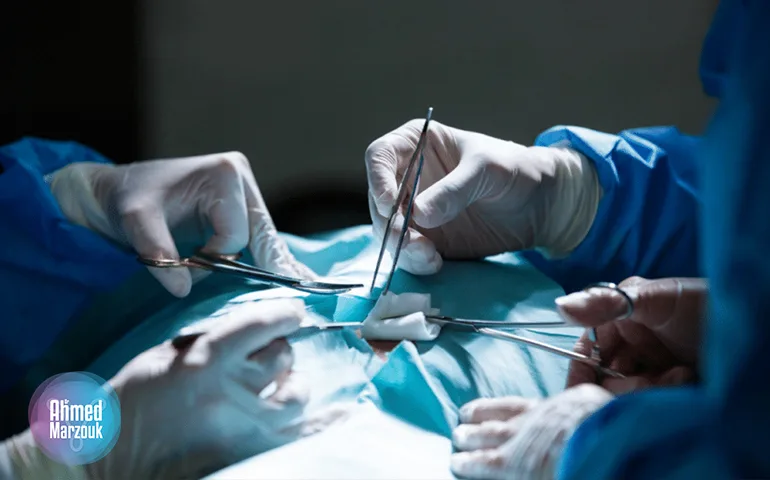
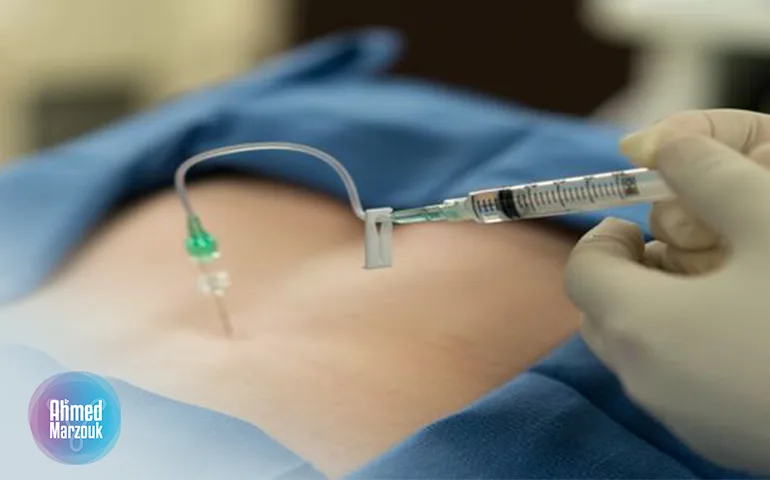
Fibroid treatment depends on several factors, including the size of the tumor, its location, the symptoms associated with it, and the desire for a future pregnancy. In general, fibroid treatment may include the following: 1. Regular monitoring: in the case of small fibroids that do not cause significant symptoms, the most appropriate option may be to examine the fibroid regularly to monitor its progress. This can be suitable if there are no serious health problems. 2. Medication: in some cases doctors may use medication to control the symptoms of the fibroid, such as heavy bleeding, which can help reduce the size of the tumor as well as reduce the bleeding. 3. Surgery: in the case of large fibroids or those causing severe symptoms, surgery may be required to remove the tumor, and in some serious cases doctors may resort to surgery to remove the uterus itself.
How long does fibroid removal surgery take?
The duration of fibroid removal surgery varies based on several factors, including the size of the tumor, its location, the surgical method used, and the complexity of the condition itself. In general, this surgery may take from about 30 minutes to approximately two hours.
Risks of fibroid removal
Fibroid removal surgery may be safe and effective in most cases, but like any surgical operation it can result in risks and complications. Here are some of the potential risks of fibroid removal surgery: 1. Bleeding: like any surgery, bleeding may occur during or after the fibroid removal operation. The bleeding may be mild or severe depending on the case itself. 2. Infection: an infection may occur at the surgical site, so it is important to take infection-prevention measures and follow the instructions of Dr. Ahmed Marzouk after the operation. 3. Damage to organs adjacent to the tumor site: there may be risks of harming organs adjacent to the tumor site, such as the intestines or the bladder. 4. Uterine deformity: in some cases fibroid removal may lead to a change in the shape or structure of the uterus, and this may affect the ability to conceive afterward. 5. Anesthesia complications: the anesthesia process may cause rare complications such as allergic reactions to the medications used or breathing problems. 6. Scar formation: scars may form in the surgical area. These scars may be temporary or permanent and may affect the appearance of the abdomen. 7. Fluid collection: fluid may collect in the surgical area, causing abdominal swelling after the fibroid removal operation, and this may require additional medical intervention.
Bleeding after a fibroid operation
Bleeding may occur after a fibroid removal operation, and bleeding after surgery is normal and not a cause for concern. However, if the bleeding is severe or continues for a long time, or if you feel any abnormal symptoms such as increased pain, redness, or swelling at the wound site, you must contact Dr. Ahmed Marzouk immediately. Here are some of the possible causes of bleeding after surgery: 1. Slight bleeding may occur at the wound site where the fibroid was removed. This bleeding can cause noticeable leakage of blood. 2. Some people may experience slight blood clotting after surgery as a result of certain medical measures taken to reduce bleeding during the operation. 3. Swelling in the wound area may cause a collection of fluid and blood, which can cause slight blood leakage. 4. Some women may experience slight bleeding after surgery due to the effect of hormones or the menstrual cycle after fibroid removal.
Dr. Ahmed Marzouk has witnessed the best experiences for women with fibroids, and he has treated many, many cases of fibroids at the best cost for a fibroid removal operation in Egypt, with which you can treat a uterine fibroid easily and with the highest possible efficiency.