Childbirth has a huge impact on your body. You may experience many different sensations in the days and weeks after your baby's birth. It is common to ask whether or not the symptoms are normal for the first six weeks after giving birth as your body adapts to the new situation. So it is important to take care of yourself and your newborn.
It is normal for major changes to occur during the mother's recovery period. Most post-natal health problems are predictable and relatively simple, although they can be painful or uncomfortable, and many women suffer from them. The most important is the occurrence of a fever, which is often not uncomfortable and common; so, let us discover the most common causes of postpartum fever.
1- Breast congestion: The mother has a mild fever when she first starts producing milk because the breasts may swell when the milk starts to appear. The swelling and fever usually disappear within 24 hours.
Mastitis and breast congestion are inflammations of the breast tissue. Mastitis may occur when an infant is fed more from one breast than the other. Also, if one of the milk ducts or tubes that carry milk from the breast gland to the nipple becomes blocked, the milk accumulates in the breast and causes inflammation. Common symptoms of mastitis include: • Inflammation, swelling, and redness. • Pain of the breast. • Fatigue. • Headache. • Red lines on the breasts. • Painful lumps in the breast. • Flu-like symptoms. • In the case of cracked or irritated nipples, bacteria may enter the breast tissue and lead to infection and fever.
So you must: 1- If you have more milk than the baby needs, you must suction it continuously using the pump designated for that. 2- Washing the nipples before and after breastfeeding your baby. 3- If you are not breastfeeding but have milk production, take out enough milk to relieve the pressure. 4- Apply warm compresses on your breasts. 5- Use some painkillers to eliminate the pain. 6- Take the prescribed antibiotics.
2- Urinary tract infection: Urinary tract infections are generally common, as bacteria that live on the skin can enter the urinary tract during childbirth. This causes a urinary tract infection with a fever. The UTI possibility increases if a catheter is placed in the bladder. If you have a UTI, you may also have a fever and other symptoms, such as: • chills. • Low back pain. • Side pain. • Persistent painful urination. • Frequent urination. • Feeling that your bladder is not emptying. • Feeling the need to urinate often, even if nothing comes out.
So you must: 1- Drink plenty of fluids. 2- Take the appropriate antibiotic or perform a urine culture to choose the optimal antibiotic.
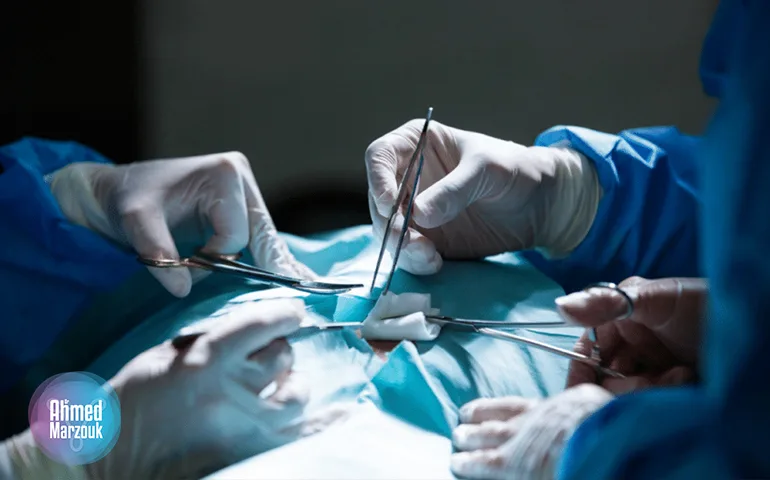
3- Inflammation of the caesarean section wound: Fever may occur after a caesarean section if the incision site becomes infected, but this is now rare. Symptoms of infection include: • Redness or swelling at the incision site. • The discharge of pus or fluid from the incision site. • Bleeding or opening of the incision site. • Severe stomach pain. • Severe pain at the incision site. • Painful urination. • Smelly vaginal secretions.
So you must: 1- Giving birth in hospitals concerned with sterilization and not giving birth in unqualified clinics and centers. 2- Keeping the wound clean and dry. 3- Maintaining post-natal follow-up so the doctor can prescribe the necessary medications if an infection occurs.
There are other causes of fever, but they are very rare and dangerous at the same time. You don't have to worry about their occurrence as long as you choose your doctor carefully.
Each woman's postpartum experience is unique, depending on the details of her pregnancy, labor, childbirth, medical history, and other factors. If you have any questions or concerns, you can always contact Dr. Ahmed Marzouk, Consultant Obstetrician and Gynecologist.