A chemical pregnancy is a pregnancy that ends prematurely due to a miscarriage within the first five weeks of pregnancy. In a chemical pregnancy, the foetus stops growing after it becomes embedded in the endometrium. Chemical pregnancies occur much earlier than many women realize that they are pregnant.
The loss of a chemical pregnancy can be devastating, especially if it was the result of desperate attempts to conceive a child, but don't worry, many women who have experienced an early miscarriage go on to have successful pregnancies in the future.
Who is at risk for chemical pregnancies? Any woman can experience a chemical pregnancy. You may be more susceptible to this if you are trying to conceive through IVF. However, it is not the only risk factor for a chemical pregnancy. Some possibilities increase your exposure to a chemical pregnancy, such as:
- Reaching the age of 35 or older.
- An abnormally shaped uterus.
- High or low levels of hormones.
- The presence of sexually transmitted infection.
- Chronic diseases such as thyroid disorders, diabetes, or polycystic ovary syndrome (PCOS).
What are the signs of a chemical pregnancy?
- The period comes about a week later than usual.
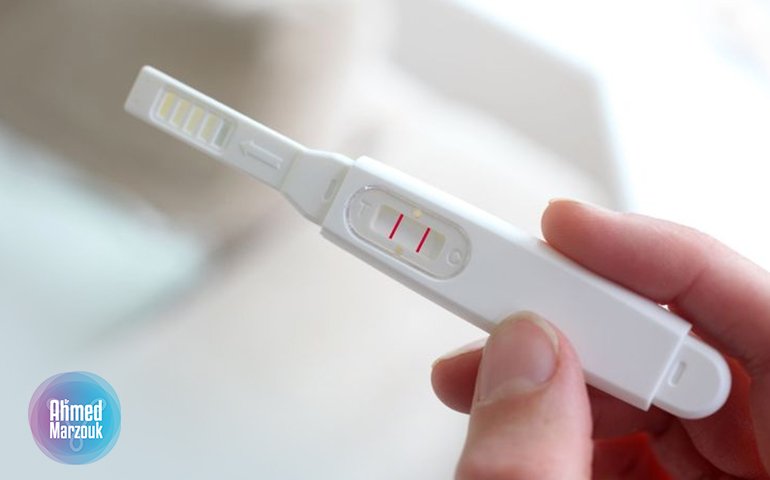
- Positive pregnancy test followed by the onset of the menstrual cycle.
- Positive pregnancy test that turns negative after a few weeks.
- The menstrual cycle is heavier than usual and accompanied by severe cramping.
- Positive pregnancy test without the usual signs of early pregnancy.
What causes a chemical pregnancy? Research has not found out why a foetus stops developing during a chemical pregnancy. One possible reason is a problem with its genetic structure or DNA. Sometimes, the embryo is not fixed or implanted in the endometrium in a way that enables it to grow, so hCG levels drop, and pregnancy tests turn negative.
What does chemical pregnancy bleeding look like? Bleeding from a chemical pregnancy may appear differently in each woman. Some women may feel that their period is typical. Sometimes, bleeding starts as small spots before becoming more severe and including blood clots, while others may notice that their periods are heavier than usual and cause more cramping.
How is a chemical pregnancy diagnosed? The doctor will check your medical history to determine your last menstrual period. A pregnancy test allows you to know if you have experienced a chemical pregnancy.
How is a chemical pregnancy treated? There is no cure for chemical pregnancy, but many women who have had one pregnancy that ends early enjoy healthy pregnancies in the future. If the woman suffers from repeated chemical pregnancies, she may need medical care.
How can I prevent a chemical pregnancy? You cannot prevent a chemical pregnancy. Most chemical pregnancies likely occur when there is a problem with the foetus's DNA that prevents it from developing. There is a good chance that the next embryo will develop without a problem.
When does ovulation occur after a chemical pregnancy? Natural ovulation can occur two weeks after a chemical pregnancy, and pregnancy is possible. Immediate pregnancy attempts after a chemical pregnancy do not pose any risk.
Chemical pregnancies often end within the first few weeks, but despite this, successful pregnancies often follow chemical pregnancies. So no matter how you feel about pregnancy loss, take the time you need to prepare or plan your next steps. Speak with Dr. Ahmed Marzouk, Consultant Obstetrician and Gynecologist, about any fertility concerns you may have.