You may need a few tips before your cesarean delivery that will, without a doubt, put your mind at ease. In this article you will find everything you need and more.
How many cesarean deliveries are allowed?
The number of cesarean deliveries allowed differs for each mother according to the condition of the mother and the fetus and the surrounding health circumstances. In many cases a cesarean is a medically necessary option to preserve the safety of the mother and the fetus. There are also recommendations in some countries and health organizations that set a limit on the number of cesarean deliveries allowed for mothers. For example, the World Health Organization recommends that the cesarean rate in any country should not exceed 10-15% of total births. Nevertheless, it is essential to consult the treating medical team to assess the health condition and make the appropriate decision about the mode of delivery, so as to reach the best decision for her and for the fetus.
Steps of a cesarean delivery
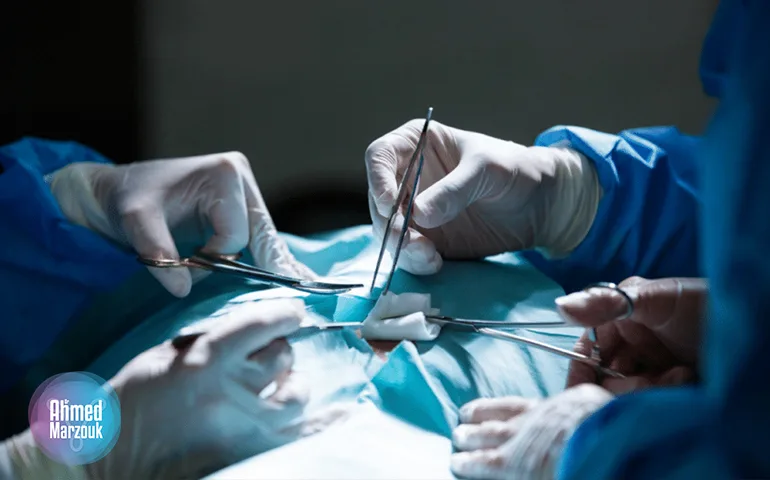
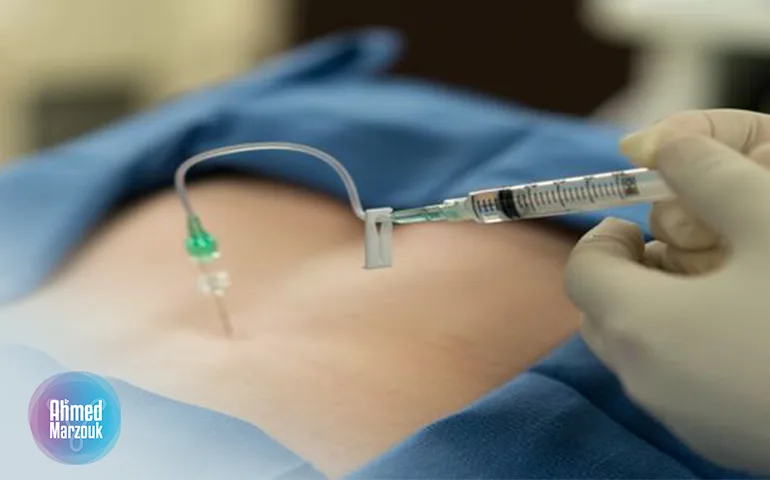
Here are the steps of a cesarean delivery with Dr. Ahmed Marzouk: 1. Preparation: the mother is prepared for the operation through specific recommendations, including a fasting period before the operation and fluid intake beforehand. 2. Anesthesia: the mother is given regional anesthesia, general anesthesia, or another type depending on the recommendation of the medical team and the mother's health condition. 3. An incision is made in the upper abdominal wall, then the uterus is reached after opening the abdominal wall and surrounding tissues to access the uterus. 4. The uterus is opened to reach the fetus, and then the baby is delivered from the uterus. 5. After the baby is delivered, the wound and surrounding tissues are closed with medical sutures that leave no mark after delivery. 6. After the operation the mother is transferred to a dedicated recovery room under observation.
Benefits of a cesarean delivery for the vagina
Some of the potential benefits of a cesarean delivery for the vagina include: 1. Protecting the vagina and genital area: a cesarean delivery may protect the vagina and genital tissues from the tearing or injury that can occur during a natural birth. 2. A cesarean delivery may play a role in reducing the risk of anal tearing that may occur in some cases during a natural birth. 3. A cesarean delivery can be scheduled for a specific date in consultation with the medical team, compared with a natural birth that may start naturally at any time. 4. In some cases a cesarean delivery may have a positive effect on the safety and health of the baby, especially when there are health problems or special circumstances that require a cesarean delivery.
Nevertheless, it should be noted that a cesarean delivery is not the healthiest option for all women; rather, the decision to have a cesarean delivery should be made based on the recommendation of Dr. Ahmed Marzouk and an assessment of the health condition of the mother and fetus.
When is a cesarean delivery necessary?
A cesarean delivery is necessary in several medical situations, such as the following: 1. Difficulties with natural birth: there may be difficulties in the natural birth process that make a cesarean delivery the better option, such as a large fetal size or an incorrect fetal position. 2. In cases where there are health problems that increase the risks of natural birth for the mother, a cesarean delivery may be performed to protect the mother's health and safety, such as high blood pressure during pregnancy or heart or lung problems. 3. When there are problems in the uterus that make natural birth impossible or dangerous, the decision is made to perform a cesarean delivery, such as the presence of scars on the uterus (from previous cesarean operations) or the presence of tumors in the uterus. 4. In some cases, certain emergency circumstances may require a cesarean delivery to preserve the safety of the mother and fetus, such as severe bleeding or a rapid deterioration in the condition of the fetus.
What are the risks of a cesarean delivery?
Although a cesarean delivery is generally considered a safe surgical procedure, it does carry some risks and challenges. The risks of a cesarean delivery may include the following: 1. When general anesthesia is used for the cesarean delivery, complications from the anesthesia can occur, such as allergic reactions, difficulty breathing, low blood pressure, and heart problems. 2. Some general surgical risks such as infection, bleeding, collection of blood in the wound, formation of blood clots, and injury to adjacent organs such as the bladder or intestines. 3. The wound resulting from the cesarean delivery may experience problems with healing, which increases the risk of infection or the formation of a large tissue scar. 4. There is a higher risk of blood clots after a cesarean delivery compared with a natural birth, and the mother may also face psychological effects after a cesarean delivery, such as depression, anxiety, or difficulty coping with the surgical birth experience.
Which is more dangerous, natural birth or cesarean?
There is no clear answer as to which is more dangerous between natural birth and cesarean delivery, as each has its own disadvantages and advantages, as follows:
Natural birth:
- The vagina and genital tissues may be exposed to tears or injuries during natural birth.
- Greater bleeding can occur after natural birth.
- The recovery period after natural birth may take less time.
Cesarean delivery:
- It involves a surgical procedure and the use of general anesthesia.
- It carries surgical risks such as infection, bleeding, and blood collection.
- It can increase the risk of blood clotting.
- It requires a longer recovery period and follow-up care after delivery.
It is important to emphasize that these risks differ from one case to another, and each woman's condition must be assessed by Dr. Ahmed Marzouk to make the appropriate decision about the mode of delivery. The mother should also talk with him and discuss the risks and benefits of each available option, as well as when a cesarean delivery becomes dangerous, whether the vagina widens after a cesarean delivery, how it is determined whether induced labor or a cesarean operation is better for her, and what a pain-free cesarean delivery is and whether we can resort to it or not.