Intractable vomiting is severe and persistent nausea and vomiting during pregnancy. Intractable vomiting can lead to dehydration, weight loss, etc. Intractable vomiting begins between 4 and 8 weeks of pregnancy and usually goes away by 14 to 16 weeks.
However, morning sickness is mild but persistent nausea in the first trimester, which is the most common and least severe. It starts between 4 and 8 weeks of pregnancy and usually disappears by 16 to 18 weeks of pregnancy.
Causes of intractable vomiting: The exact cause of nausea and vomiting during pregnancy is unknown. It is thought to be caused by a rapid rise in the blood level of the (HCG) hormone released from the placenta. Women with intractable vomiting experience severe nausea and vomiting during pregnancy. It can cause weight loss of more than 5% of body weight. Although it can happen in any pregnancy, the likelihood increases if there are twins or more. Women are more susceptible to developing intractable vomiting if they have a history of vomiting in previous pregnancies or are prone to motion sickness.
Symptoms of intractable vomiting: The symptoms of intractable vomiting gradually decrease until the blood level of the pregnancy hormone stabilizes at the end of the third month, and the most famous of them are: • Severe and persistent nausea and vomiting. • Salivation at a higher rate than usual. • Weight loss. • Signs of dehydration, such as dark urine, dry skin, general weakness, dizziness, or it may develop into fainting. • Constipation. • Inability to eat sufficient quantities of fluids or nutrition.
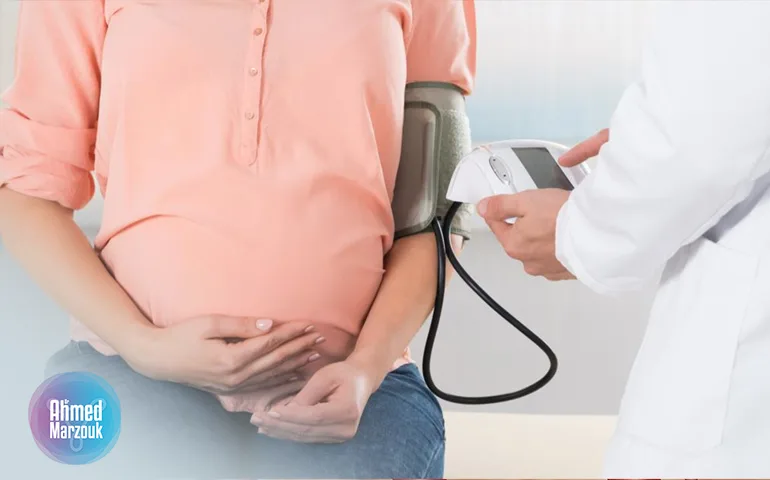
Diagnosis of intractable vomiting: The first key to diagnosing the disease is the patient's complaint of continuous vomiting that exceeds 5 times a day. So Dr. Ahmed Marzouk performs a physical examination, as persistent vomiting may lead to hypotension or a high pulse. The following procedures will also take place: 1- Perform the following laboratory tests to check for signs of dehydration: • Perform a comprehensive blood test. • Measure electrolytes levels. • Measure urine ketones levels. • Weight loss tracking. 2- Perform tests to exclude problems with the liver and digestive system. 3- Conduct an ultrasound examination of the uterus to identify if you are pregnant with twins or more.
Treatment of intractable vomiting: Intractable vomiting treatment is a gradual process. The treatment plan is developed according to the severity of the disease and the general condition of the patient, her blood pressure and pulse are the indicators of the appropriate intervention. The treatment is achieved through the following steps:
- Relying on a specific diet, such as salted biscuits, rusks, and some dry baked food, besides the prescribed simple anti-vomiting tablets.
- If vomiting persists, rectal suppositories are used, and then injections.
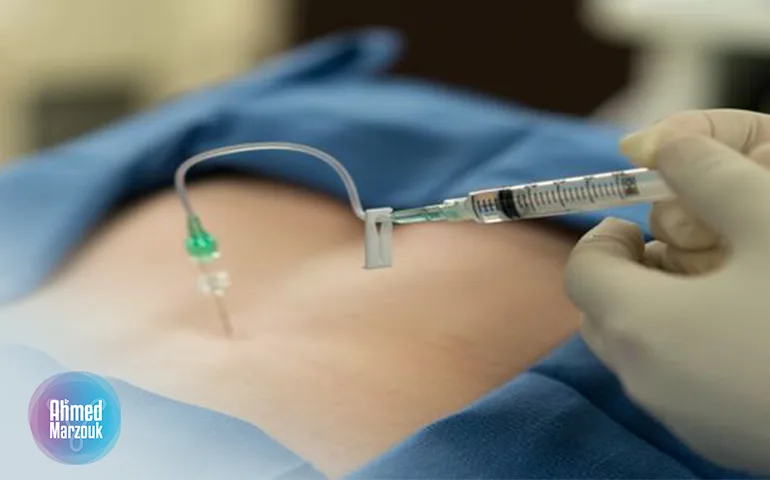
- If there is no improvement, the pregnant woman may be hospitalized and prevented from eating and drinking altogether, relying on nutritious solutions and treatments. The percentage of fluids is measured accurately, and important analyses are made, such as the percentage of urine ketones, sodium and potassium levels in the blood, and kidney function, which can be severely affected when the condition is neglected.
- The improvement of the psychological state is a very important point in the treatment of intractable vomiting during pregnancy. Therefore the husband has a great role to play.
To help manage your symptoms at home, here are these tips: 1- Avoid the stimuli, which are the things that are noticed to cause nausea and vomiting. They may include: • Noise. • Flashing lights. • Toothpaste. • Scents such as perfumes, bath products, and personal care products. • Wearing tight clothes because they put pressure on the stomach. • Riding a car to avoid motion sickness.
2- You can eat and drink whenever you can to take advantage of the times when you feel better and make sure that your meals are small and frequent, relying on dry foods such as biscuits or potatoes, as we mentioned.
3- Drink more fluids at times when you feel the least nauseous.
You don't have to worry about intractable vomiting. With proper identification of symptoms and close follow-up from Dr. Ahmed Marzouk, Consultant of Obstetrics and Gynecology, serious complications for the baby or the mother are rare.