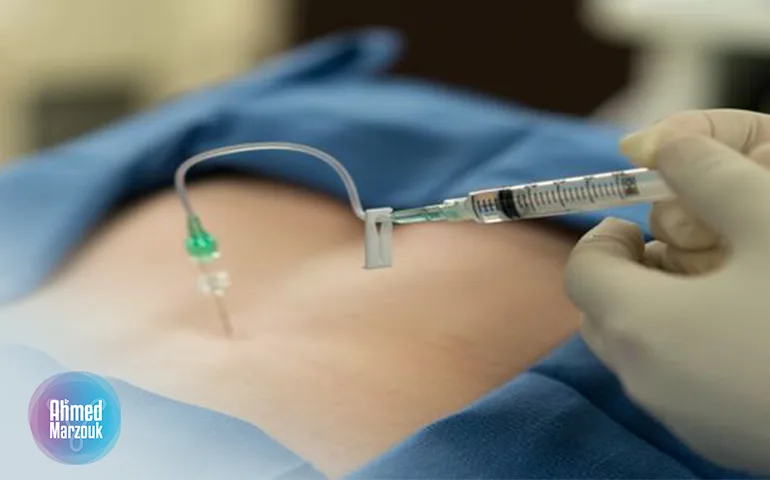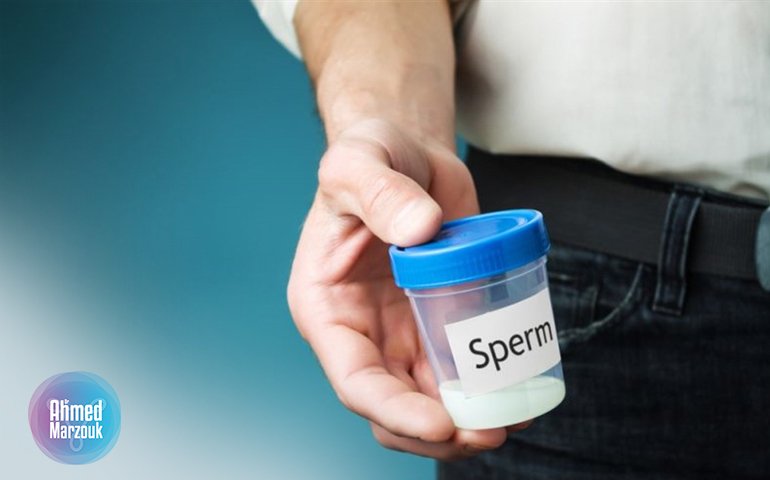
This is a test to examine a man's fertility, in which the volume of the semen, its color, and the shape, number, and motility of the sperm are examined. A semen analysis is one of the most important tests a doctor requests from a man who has a fertility problem and wants to know the causes and treat them. A distinction must be made between semen and sperm, as many people think there is no difference between them, but this is not true. Semen is a fluid that contains sperm in addition to other nourishing substances, and the fact that you produce semen during intercourse does not mean that you have enough sperm.
When will the doctor request a semen analysis for a man?
- To identify the causes of delayed conception.
- To assess the success of a male sterilization procedure (vasectomy or tying of the vas deferens).
What are the methods of obtaining the sample? The methods of obtaining the sample differ depending on whether it is at the testing laboratory or at home:
- By masturbation in the room designated for taking the sample at the laboratory.
- By having intercourse at home using a condom.
- By having intercourse with withdrawal before ejaculation and ejaculating the sample into the sterile cup.
Are there conditions that affect how a semen analysis is done? There are some requirements that must be met to ensure the success of the test, including:
- Abstaining from intercourse for at least two days before the test.
- Not abstaining from intercourse for more than a week before the test, so as not to affect the ability to ejaculate and the sample volume.
- Abstaining from smoking, as it causes sperm deformities and affects their motility.
- Avoiding the use of creams and lubricants when trying to produce the sample.
- Making sure the sample is ejaculated entirely into the sterile cup given to you by the laboratory technician, with no part falling outside the cup.
- It is preferable to produce the sample at the laboratory, but if produced at home, it should not take more than 30 minutes to bring it to the laboratory to ensure the accuracy of the sperm analysis.
- When the doctor requests another sample from you, it is preferable to wait two or three weeks.
How are the results of a male fertility test read?
Semen color. The normal color of semen is a whitish-gray. If the color changes to yellow, it may indicate jaundice or infection, and if the color changes to red, it indicates the presence of blood in the semen.
Semen quantity (sample volume). The sample volume should not be less than 2 milliliters. If the sample volume is less than 1.4, it may indicate a fertility problem resulting from inflammation, a varicocele in the testicle, or a blockage in the ejaculatory duct.
Semen pH level. The normal result ranges between 7.2 and 8. A severe change in acidity affects sperm motility and may lead to their death.
Semen liquefaction time (viscosity). This is the time the sample takes to become less viscous, ranging between 20 and 30 minutes. If it exceeds this time, it indicates excessive viscosity in the semen, which affects fertility, and this results from smoking or unhealthy eating.
Sperm count. The normal sperm count is estimated at 20 million sperm per milliliter of the sample. If the count is lower, the man may face difficulty in conceiving.
Sperm motility. Sperm motility is one of the most important indicators of a man's fertility, and motility is good when more than 50% of the sperm move properly.
Rate of sperm abnormalities. A sperm consists of three parts: an oval head, a body (midpiece), and a tail. Any change in the sperm's shape, such as having two heads, a round head, or a split or short tail, is considered a deformity in the sperm's shape. For a man to be able to conceive, about 70% of the sperm should have a normal shape.
White blood cell count. The sample should not contain white blood cells, because their presence indicates an infection or inflammation in the testicle.
Causes of abnormal semen analysis results: Abnormal semen analysis results indicate the following:
- A varicocele (varicose veins of the testicle).
- Inflammation of the testicle.
- A hormonal imbalance.
- Effect on the semen due to exposure to radiation or chemicals.
- Infectious diseases such as mumps, which shrinks the size of the testicle.
- Genetic defects and hereditary diseases.
If you have a problem in your sperm analysis result, how is it treated?
- Surgical intervention to treat a varicocele or a blockage of the vas deferens.
- Medications to reduce viscosity.
- Medications to treat the semen's pH level.
- Hormonal therapies.
- Antibiotics to treat infection.
Tips to improve semen quality:
- Maintaining a healthy diet that includes vegetables and fruits and avoiding fats and sugars.
- Abstaining from smoking and alcohol and reducing caffeine.
- Losing weight and exercising.
- Getting enough sleep and avoiding stress.
Finally, now that we have learned what a semen analysis is and how it is performed, if you want to reassure yourself about your fertility or if you face any problem related to delayed conception after having a semen analysis, regardless of the cost of a semen analysis, you can turn to Dr. Ahmed Marzouk's center, which has extensive experience in treating delayed conception and fertility problems.