Pregnancy after a cesarean is a source of concern for many women who have previously undergone a cesarean delivery: can they give birth naturally afterward, or has a cesarean become a permanent commitment? So let us address some of the questions that may come to mind about the relationship between natural birth and cesarean delivery and answer them with Dr. Ahmed Marzouk in the following article.
When do I take birth control pills after a cesarean? Starting to use birth control pills after a cesarean depends on some important points that must be considered, which are as follows: 1. It is preferable to wait until the wound has healed and the body has fully recovered after the cesarean before starting to use birth control pills, which may require waiting about 4 to 6 weeks after the cesarean, while bearing in mind that this period differs from one case to another. 2. The time at which you can start birth control pills also depends on the type of pills you wish to use, as some types of birth control pills contain certain hormones and require a certain amount of time before they become fully effective. 3. The treating doctor's guidance, as the doctor will assess your health condition and whether the recovery period has ended or not, then provide you with appropriate guidance based on that. 4. Other contraceptive options that may suit you should also be discussed with the doctor, as other contraceptive methods such as condoms, a hormonal IUD, or others may suit you.
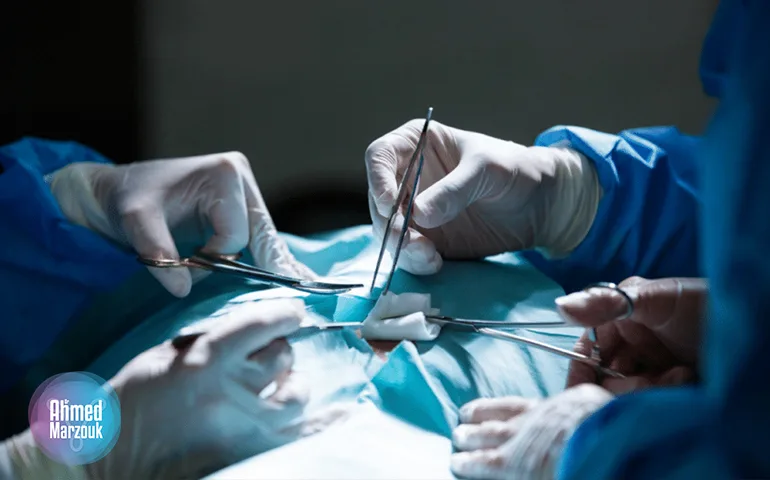
Tubal ligation after a cesarean: Tubal ligation after a cesarean can be defined as a surgical procedure used to prevent pregnancy permanently by tying the two fallopian tubes or rearranging them so that eggs are prevented from reaching the uterus and mixing with sperm.
Tubal ligation is a surgical procedure that prevents pregnancy from occurring again, and it is usually resorted to by couples who do not wish to have more children. Tubal ligation is usually performed during a cesarean, but the treating doctor should be consulted to discuss the expectations and risks associated with tubal ligation and to request the necessary guidance to make a correct decision that will not be regretted later.
Is a natural birth possible after a cesarean? Facilitating a natural birth after a cesarean depends on many factors, including: 1. The reason for the previous cesarean: Facilitating a natural birth after a cesarean depends on the reason for the previous cesarean, as in some cases there may be medical or surgical factors that make a natural birth undesirable. 2. The type of the previous cesarean: There are two main types of cesarean: a cesarean based on emergency medical reasons and an elective cesarean. An emergency cesarean can cause serious complications and may increase the likelihood of needing a cesarean in any subsequent pregnancy, but if the previous cesarean was elective and there are no other health complications, you may have a good chance of a natural birth. 3. The treating doctor should assess the current condition of the pelvis and uterus and determine whether there are any factors that make a natural birth unsafe or difficult. 4. It is important to have continuous medical monitoring during a natural birth after a cesarean in order to control any complications or problems that may occur, as there may be potential risks associated with attempting a natural birth after a cesarean, such as a rupture in the upper region of the uterus (uterine rupture), which can be very dangerous. Therefore, these risks and potential benefits should be discussed with Dr. Ahmed Marzouk at the outset before making a decision about a natural birth after a cesarean, based on what you experience with a natural birth after a cesarean.
When does menstruation return after a cesarean? The return of menstruation after a cesarean can vary from one woman to another, but there are several factors that may affect the timing of the return of menstruation after a cesarean in each woman, including the following: 1. Breastfeeding: If you are breastfeeding, this may affect the return of menstruation. Breastfeeding can delay the return of menstruation, especially if you are nursing throughout the day and night. However, breastfeeding cannot be relied upon as an effective method of contraception, and the doctor should be consulted about safe and suitable contraceptive methods. 2. Nutrition and weight: Healthy nutrition and maintaining a suitable weight may affect the return of menstruation. Menstruation usually returns after the body regains its normal weight. 3. Hormonal factors: A change may occur in the body's hormone levels after delivery, and this may significantly affect the return of menstruation.
In general, menstruation can return after a cesarean within 6 to 8 weeks of delivery, so if your period is delayed, we advise you to go immediately to Dr. Ahmed Marzouk, obstetrics and gynecology specialist, for an examination and to determine the cause and treat it promptly.