ICSI (intracytoplasmic sperm injection) procedures have become widespread recently, and we have begun to hear about many of our friends and relatives undergoing them to help them conceive. So what is ICSI? How is this procedure done? And how does it help them conceive?
What Is ICSI and How Is It Performed?
ICSI is used to fertilize the egg with a sperm in the laboratory, then implant it in the uterus or the fallopian tube. It is done through the following steps, which explain the method of a successful ICSI:
Ovulation Stimulation:
This is done by giving the wife medications that stimulate the ovary to produce eggs suitable for fertilization, and also work to increase certain hormones that help stimulate egg production. The eggs are monitored over two weeks before collecting the eggs that will be fertilized. In the first week, the doctor will test the estrogen hormone in the blood and, through ultrasound, perform a careful examination. Then, in the second week, he begins giving other medications that control the hormones which help stimulate the eggs to mature, so that he can extract a mature egg that he can fertilize outside the body.
Egg Retrieval:
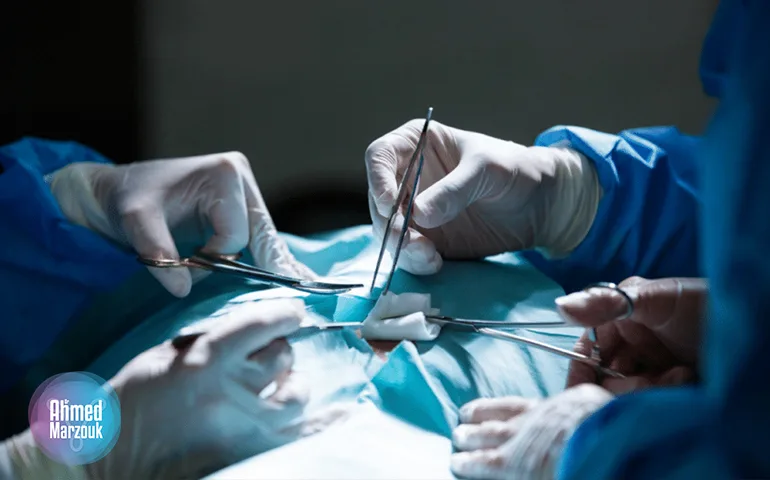
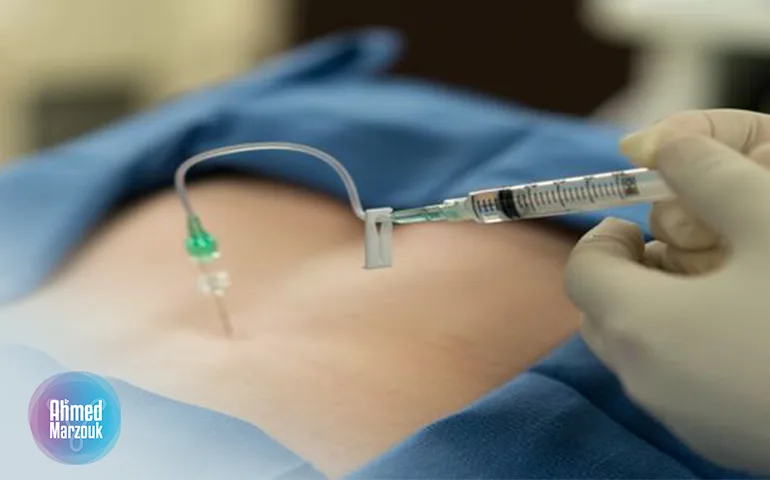
In this step, after the doctor confirms that the eggs are suitable for fertilization and have become fully mature, he begins to collect these eggs within 24 to 36 hours at most, using a precise medical scope, either through the abdomen or through the vagina. They are then placed in the laboratory under certain conditions that preserve them and their fitness for fertilization.
Sperm Collection:
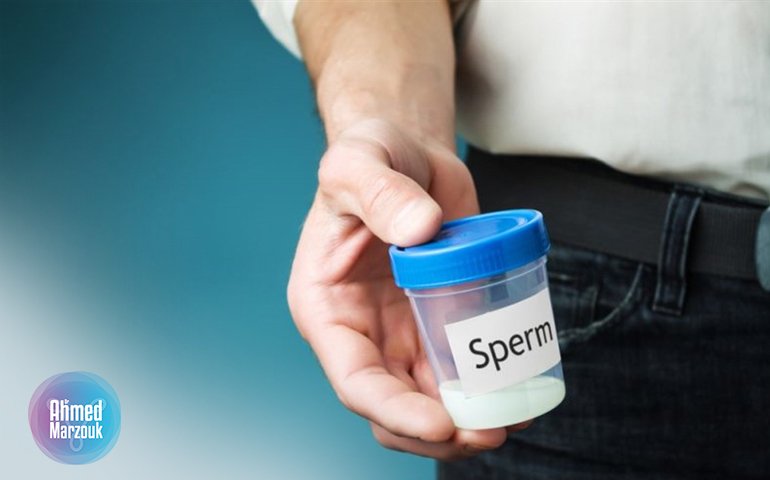
At this stage, the doctor will ask the husband to collect sperm through masturbation, or by making a small surgical incision in the testicle if the husband has any medical condition that prevents the growth and development of sperm, so that they become suitable for fertilizing the egg.
Fertilization:
This is the step that begins with preparing the semen for fertilization by subjecting it to centrifugation, so that healthy sperm are separated from dead ones. After that, the doctor begins selecting a single sperm suitable for the egg fertilization process, then begins injecting it directly into the fertilized egg taken from the wife. After confirming the egg's fertilization, he moves to the next stage, which is the stage of preserving the fertilized egg.
Preserving the Fertilized Egg:
In this step of the ICSI steps, only the fertilized eggs that have been fertilized for three to five days are selected, then the fittest of them are implanted in the uterus through the cervix using a very thin tube designed for implantation. After that, the symptoms of pregnancy after ICSI begin to appear in the event of its success and the husband and wife following everything the treating physician tells them about what is permitted and prohibited after ICSI.
When Can We Resort to ICSI?
ICSI experiences are suitable for anyone who has a problem that hinders their ability to conceive, such as:
- Men who have a low sperm count.
- Men who have poor sperm motility.
- Men whose sperm are unable to penetrate the egg.
- Men who have poor-quality sperm unsuitable for fertilization.
- Women who have a thick wall around their eggs, making it difficult for the sperm to penetrate them.
- Blockage problems in the sperm ducts in men.
What Are the Disadvantages of ICSI, and Is It Completely Safe?
ICSI is not considered 100% safe; it may involve some complications after undergoing an ICSI procedure, like any laboratory intervention. It may also fail as a result of the absence of one of the conditions for ICSI success. Among the causes of ICSI failure are the following:
- Failure of the fertilized egg to grow and develop into a living embryo.
- The embryo stopping its growth after the egg is fertilized.
- Damage to the egg in the first place.
- Continued stimulation of the ovary to produce eggs due to an increase in the amount of stimulants the wife has taken.
- Increased chances of having babies with some congenital defects.
- Increased chances of miscarriage.
Advantages You Will Gain After Undergoing ICSI:
- It will increase your chances of conception.
- It will increase ovarian activity, as some women may conceive naturally after a failed ICSI procedure.
- ICSI is considered to have a somewhat high success rate.
- ICSI can be repeated more than once and increase your chances of conception.
When Do the Signs of ICSI Success Appear, and Is ICSI Painful?
The couple needs a period of between 4 to 5 weeks after the ICSI procedure to detect the symptoms of ICSI failure or success and to confirm the presence of an embryo, by performing a home pregnancy test. However, we advise going to the specialist doctor immediately to perform an ultrasound scan to confirm the presence of a pregnancy, along with giving some pregnancy-supporting medications that help increase your chance of keeping your fetus and reduce the chances of miscarriage. ICSI is also not painful in its steps at all, and if the wife feels some pain, we can control her feeling of pain by taking some simple painkillers under our medical supervision.
ICSI Success Rate:
ICSI is considered to have a high success rate compared to other conception procedures such as IVF or artificial insemination, as it has a success rate of approximately 80% among those who show signs of ICSI success. It is also considered the most famous procedure in the world for achieving the dream of motherhood, as approximately 8 million babies are born annually, especially after following the post-ICSI instructions their doctors give them. So there is no need to worry, dear.
The cost of ICSI: The prices of ICSI vary greatly depending on several factors, including the reputation and experience of the doctor with whom you will undergo the procedure. The price of ICSI is also affected by the differing costs of the medications you will need in the procedure, as well as the examinations you will undergo, and also by the problem for which you are resorting to ICSI, the price of the similar IVF procedure, and the price of ICSI at well-known medical centers.