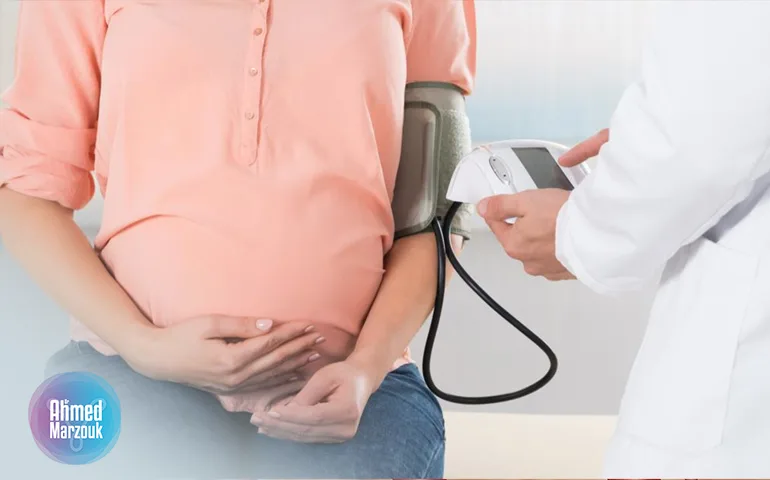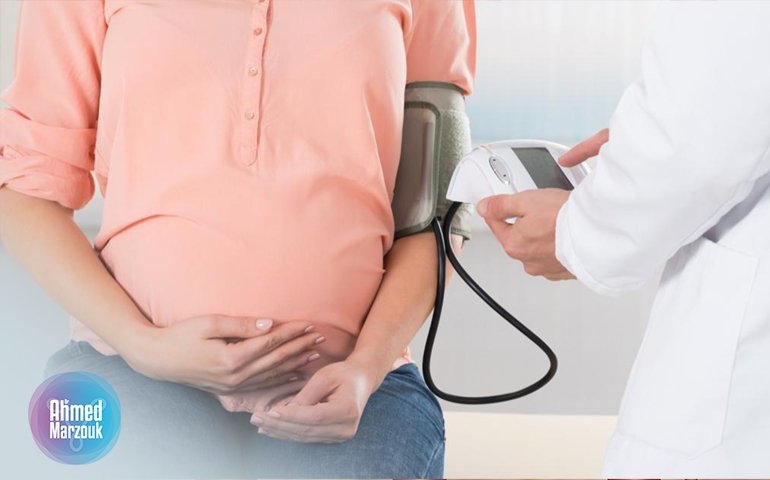
Blood pressure is a vital sign that we pay great attention to throughout pregnancy, as your body goes through many changes. Among these changes are those regarding the heart and blood vessels. This is because your heart works harder, and your blood vessels relax more than usual during pregnancy. These changes help support your body while supplying blood and nutrients to the foetus. Your blood pressure is measured as 2 numbers. The upper number represents the pressure on the arterial walls when the heart contracts (systolic), and the lower number represents the pressure on the arterial walls when the heart relaxes (diastolic). A blood pressure of less than 120/80 is considered normal. In a typical pregnancy, blood pressure tends to decrease slowly, reaching its lowest level during the 28th week of pregnancy. If a woman develops hypertension during pregnancy, this is called gestational hypertension. Gestational hypertension is diagnosed when the upper number is higher than 140, the lower number is higher than 90, or both. If other organs are also affected, this is called pre-eclampsia.
Complications of gestational hypertension: Hypertension puts extra stress on the body and is always a cause for concern. If untreated, it may cause renal failure, stroke, heart attacks, and even heart failure. The higher the blood pressure, the greater the risk. Gestational hypertension increases the likelihood of preterm birth and smaller-than-average newborns. Additionally, they are more likely to require caesarean sections. Another possible complication is placental abruption, a serious condition that occurs when the placenta begins to separate from the wall of the uterus and is considered a medical emergency.
Preeclampsia: This condition develops when hypertension starts to have an impact on other organs, such as the liver or kidneys. The presence of a lot of protein in the urine is another indicator of preeclampsia. It can develop during pregnancy or in the days following delivery. It's a really serious condition. If the condition worsens, severe symptoms of preeclampsia may occur, such as a blood pressure exceeding 160 (systolic) or 110 (diastolic), severe headaches that don't go away, and fluid accumulation in the lungs.
Who is most at risk of preeclampsia?
- Any health condition that causes vascular damage can increase your risk of developing blood pressure problems.
- Some of the most common conditions that affect blood pressure are obesity, diabetes, renal disease, and autoimmune diseases such as lupus.
- Pregnant women, whether in adolescence or over 35 years, have higher rates of hypertension.
- If there is a pathological history of preeclampsia, the risk of recurrence increases with each pregnancy.
Warning symptoms of preeclampsia:
- Nausea, constant headache, swelling of the face and hands, and vision changes.
- Upper right abdominal pain near the liver.
Dr. Ahmed Marzouk, Consultant Obstetrician and Gynecologist, checks blood pressure at every prenatal visit. He also tracks the development of the foetus using ultrasound. Early evidence of preeclampsia may come from urine samples and blood tests.
Regardless of how or when you first experienced hypertension, the health of your pregnancy depends greatly on how well you treat the condition. Dr. Ahmed Marzouk will work with you to treat hypertension to prevent preeclampsia. Oral medications may be necessary to control pre-existing hypertension as well as gestational hypertension up to childbirth, along with the necessity of daily blood pressure monitoring at home.